By PDS Team
Online reputation management for doctors means making sure what patients find about you online is accurate, current and fairly reflects your care, while staying within Google’s review rules and medical ethics. For most clinics, that comes down to a complete Google Business Profile, a fair way of asking for reviews, careful replies that protect patient privacy and an accurate website. It does not mean hiding criticism or promoting yourself in ways the profession does not allow.
This guide covers what doctors and clinic managers in India should do, and what they should avoid.
Why is online reputation management for doctors different?
It is different because doctors must balance online visibility with patient confidentiality and with professional rules that limit self-promotion.
A restaurant can reply to a review with details of the order. A doctor cannot discuss a patient’s visit in public. A retailer can advertise “our best results”. Doctors in India work under professional conduct rules that restrict this kind of claim.
That is why clinic reputation work focuses on accuracy, fairness and calm communication rather than promotion. Our online reputation management services are built around these limits for healthcare practices.
What do medical ethics rules say about promotion?
The professional conduct regulations published on the National Medical Commission website treat soliciting patients, directly or indirectly, as unethical and bar doctors from boasting of cases, operations, cures or remedies.
The Indian Medical Council (Professional Conduct, Etiquette and Ethics) Regulations, 2002, listed on the NMC website, include these points:
- Clause 6.1.1: soliciting patients directly or indirectly, by a doctor, a group of doctors or an institution, is unethical. Doctors should not use their name or photograph in advertising that draws attention to their skill, qualifications or achievements, and should not boast of cases, operations, cures or remedies.
- Formal announcements: the same clause permits formal announcements for specific events, such as starting practice, changing address or a temporary absence.
- Clause 6.1.2: printing a self photograph or similar publicity material on a letterhead or signboard is treated as self-advertisement.
- Clause 7.11: doctors should not write articles or give interviews in the lay press about diseases and treatments if doing so would advertise themselves or solicit patients.
Rules and how they are applied can change over time. Before you run any promotional activity, check the current position with the NMC, your State Medical Council or a legal adviser. At PDS we avoid patient stories, “success” claims and before-and-after content for clinics unless the practice has confirmed it is permitted and has documented consent.
What do Google’s review rules mean for clinics?
Google’s review policy lets you ask patients for honest reviews, but it does not allow paid or incentivised reviews, review gating or reviews from people with a conflict of interest.
Google’s Maps user contributed content policy says the following are not allowed:
| Not allowed | What it means for a clinic |
|---|---|
| Fake engagement | No paid reviews and no reviews posted from several accounts by one person |
| Incentives | No discounts, free consultations or gifts in exchange for a review, or for changing a negative one |
| Selective requests | Do not ask only happy patients, and do not discourage negative reviews |
| Pressure | No review quotas for staff and no pressuring patients to post while at the clinic |
| Conflict of interest | No reviews from current or former staff, contractors or others with close ties |
Google says reviews that break these rules are removed, and accounts can face action ranging from suspension of privileges to termination. Asking every patient for genuine feedback, without incentives, is allowed.
How should doctors reply to online reviews?
Reply politely and briefly, never confirm that the reviewer is a patient, and move any detailed discussion to a private channel.
Even a friendly reply can break confidentiality if it mentions a diagnosis, treatment or visit date. Use a short, general reply that works whether or not the person was seen at your clinic.
A safe pattern for any reply
- Thank the person for taking the time to write.
- Acknowledge the concern in general terms, without discussing care.
- Explain how your clinic handles feedback, for example through the practice manager.
- Give a phone number or email for a private conversation.
For example: “Thank you for your feedback. We take every concern seriously and would like to understand more. Please contact our practice manager on the clinic number so we can speak privately.” For more on handling difficult reviews, see our guide on how to respond to negative Google reviews.
Can a clinic remove a negative or fake Google review?
A clinic can report a review that breaks Google’s policies, but Google does not remove reviews just because they are negative or disputed.
Google’s Business Profile help page explains that you can report a review from your profile or through the Reviews Management Tool, where you choose a reason and submit. The tool shows the status of each report. If Google finds no violation, you can submit a one-time appeal.
Google also says you should not report a review simply because you disagree with it, and that it does not get involved in disputes between businesses and customers. If a review is genuine but unfair, a calm public reply is usually the best answer. For reviews that may be defamatory, speak to a lawyer rather than arguing online.
What should a clinic’s online presence include?
A clinic’s online presence should give accurate, factual information that helps patients decide whether to visit and how to reach you.
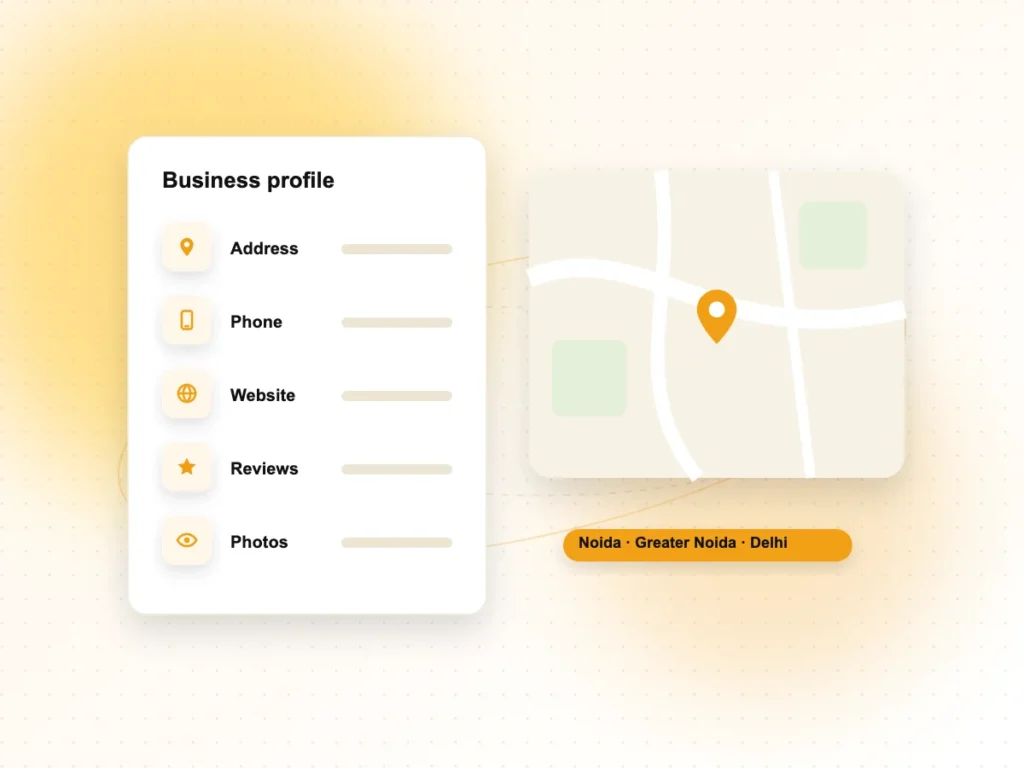
- Google Business Profile: correct name, address, phone, hours, categories and real photos of the clinic. Our local SEO services help clinics keep these accurate.
- Website: doctor names and registered qualifications, services offered, timings, location and how to book.
- Patient information: what to bring, how appointments work and fees policy, if you choose to publish it.
- Directory listings: the same details on every listing you control.
Keep the tone factual. Describe the services you offer rather than claiming to be the best or promising outcomes.
What is a simple weekly reputation routine for clinics?
A short weekly routine of checking reviews, replying, fixing incorrect details and reviewing feedback is enough for most clinics.
| Task | How often | Who |
|---|---|---|
| Read and reply to new reviews | Weekly or faster | Practice manager |
| Report reviews that clearly break policy | As needed | Practice manager |
| Check profile details and holiday hours | Monthly | Front desk or agency |
| Search the clinic and doctor names on Google | Monthly | Practice manager |
| Review common complaints and fix the cause | Monthly | Doctors and manager |
The last task matters most. If several reviews mention long waits or unclear billing, fixing that problem does more for your reputation than any reply.
Online reputation management for doctors: FAQs
Can doctors ask patients for Google reviews?
Yes. Google’s review policy allows businesses to ask for genuine reviews, as long as there is no incentive and no selective targeting. Ask every patient in the same way, for example with a card or a message after the visit. Do not offer discounts or free services for reviews, and do not set review quotas for staff.
Can I reply to a review that mentions a patient's treatment?
Reply, but do not discuss the treatment or confirm that the person is your patient, even if they share details themselves. Keep the reply general, thank them, and invite them to contact the clinic privately. Patient confidentiality applies online just as it does in the consulting room, so a careful, short reply is the safest choice.
Can a doctor get a fake review removed from Google?
You can report it through your Business Profile or the Reviews Management Tool and choose the reason that fits, such as conflict of interest or fake engagement. Google removes reviews that break its policies. If it finds no violation, you can appeal once. Google does not remove reviews only because they are negative.
Are patient testimonials allowed on a doctor's website?
Be very careful. The 2002 professional conduct regulations on the NMC website say doctors should not boast of cases, operations, cures or remedies, and that soliciting patients is unethical. Testimonials can easily cross that line. Check the current rules with the NMC or your State Medical Council before publishing any, and always get documented consent.
How long does it take to improve a clinic's online reputation?
There is no fixed timeline. It depends on how many patients you see, how often you ask for reviews, and whether the causes of complaints are fixed. Steady, fair review requests and prompt replies usually show change gradually. Be wary of anyone who promises fast results, because quick fixes often break Google’s policies.
Should a clinic hire an ORM agency?
It helps if your team lacks time to monitor reviews, keep profiles accurate and draft careful replies. Choose an agency that works within Google’s policies and medical ethics, never posts fake reviews, and leaves final approval of replies with the clinic. Ask how they handle patient privacy before you start.
Need help with your clinic’s online reputation?
If you want help keeping your profiles accurate and replying to reviews carefully, our online reputation management services are designed for clinics and doctors. We work with practices in Noida, Delhi NCR and across India. Contact our team to discuss your needs.