By PDS Team
The website design process is the set of steps that takes a website from an idea to a live site: discovery, planning, content, design, development, testing and launch. Knowing the steps helps you prepare the right information, give useful feedback and avoid the delays that slow most projects down.
This guide walks through each stage as it usually happens on a small or mid-sized business website, what you need to provide at each step, and the questions worth asking your design team.
What are the main steps in the website design process?
Most website projects follow seven stages, from understanding the business to launching and maintaining the site.
| Stage | What happens | What you provide |
|---|---|---|
| 1. Discovery | Goals, audience, competitors and scope are agreed | Business goals, target customers, examples you like |
| 2. Planning | Sitemap, page list and user journeys are drawn up | Feedback on the page list and priorities |
| 3. Content | Text, images and key messages are prepared | Service details, photos, team and company facts |
| 4. Wireframes | Simple layouts show where content goes on each page | Comments on structure, not colours |
| 5. Visual design | Colours, fonts, imagery and final page designs | Brand assets and design feedback |
| 6. Development and testing | Pages are built, connected and checked on devices | Testing on your own phone and computer |
| 7. Launch and care | Site goes live, tracking is set up, updates continue | Final approval and access to domain and hosting |
Some teams combine or reorder steps, but each of these decisions has to be made at some point. Skipping one usually means making it later, at greater cost.
What happens in the discovery stage?
Discovery is where you and the design team agree what the website must achieve, for whom, and how success will be measured.
Good discovery questions include:
- What should a visitor do on the site: call, fill a form, book, buy or visit?
- Who are your main customers, and what do they need to know before contacting you?
- Which competitor or other websites do you like, and why?
- What is not working on your current site, if you have one?
- Which pages bring traffic or enquiries today and must keep their URLs?
The output is a short brief that everyone signs off. It becomes the reference point when opinions differ later.
How is the site structure and content planned?
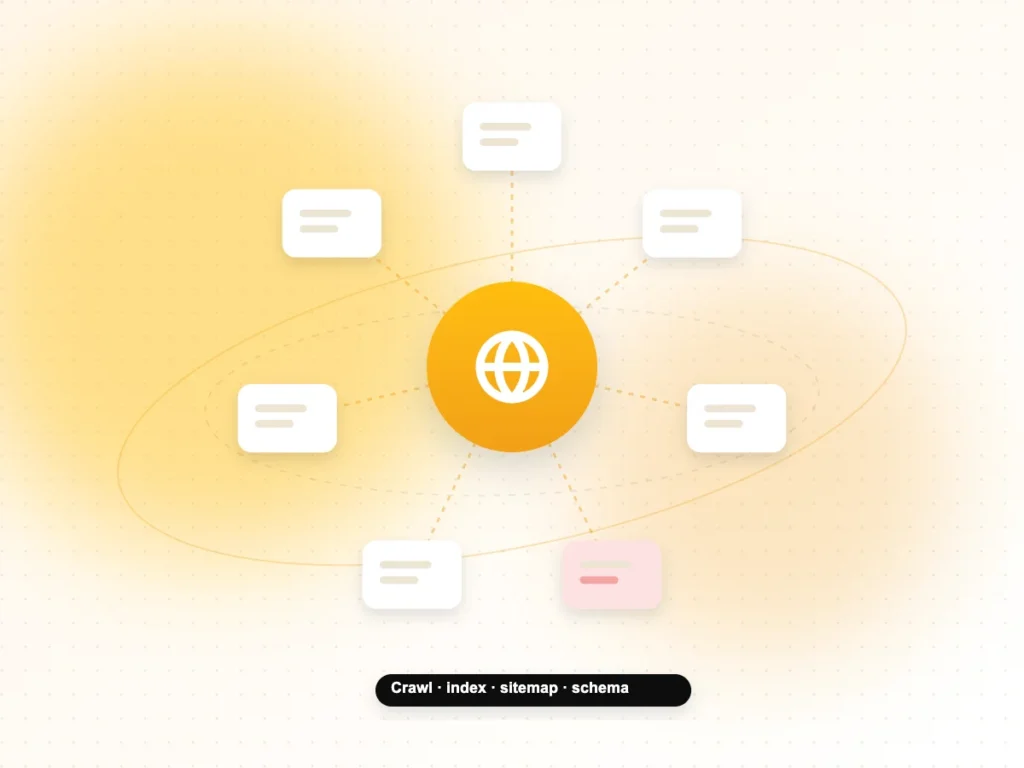
The team turns the brief into a sitemap, a list of pages and the main path a visitor takes to contact you or buy.
For a service business, a typical structure includes a home page, one page per main service, an about page, a portfolio or case studies, a blog and a contact page. Each service page should have its own clear focus, so it can rank for searches about that service.
Content is where most projects get stuck. Designs look empty without real text, and developers cannot finish pages without it. Start gathering early: service descriptions, frequently asked questions, team photos, office address, certificates you really hold and project examples you have permission to show.
What are wireframes and why do they matter?
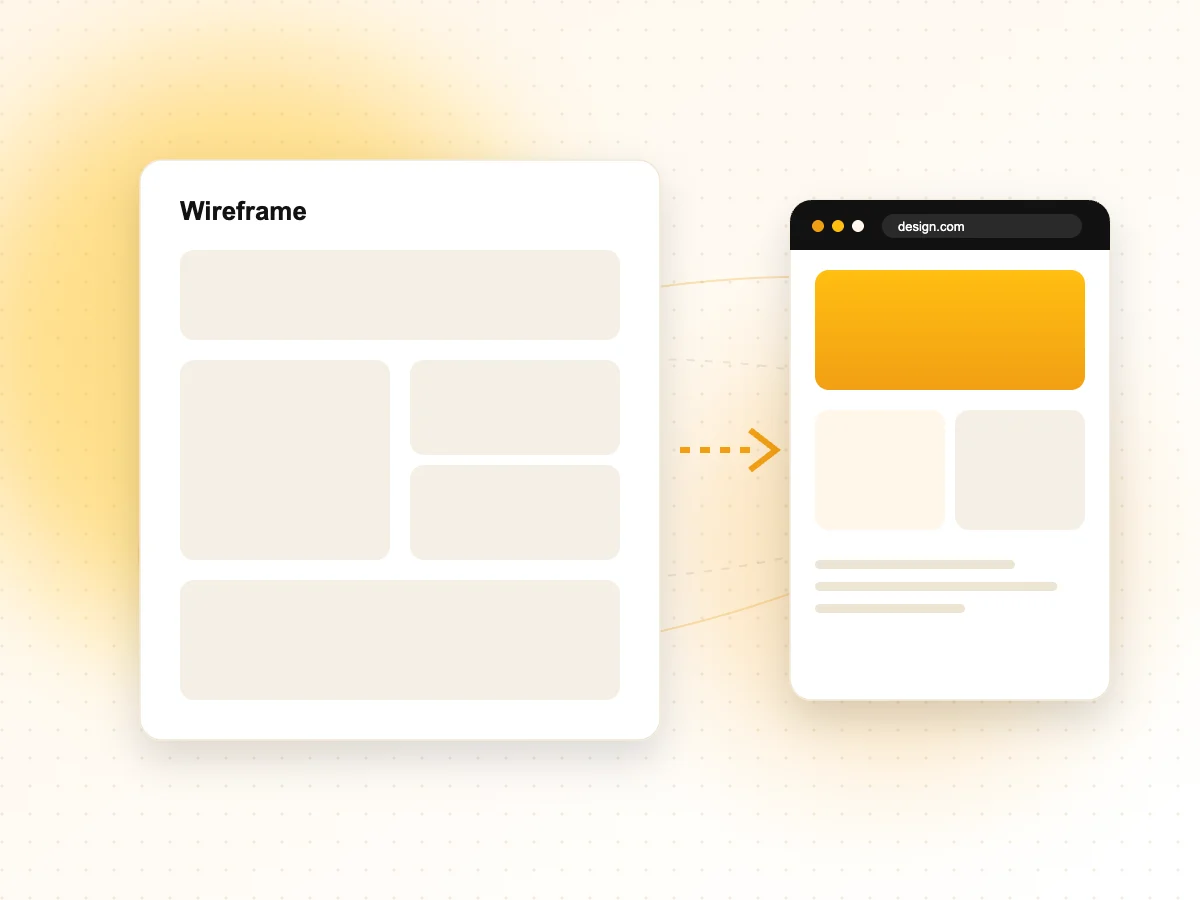
Wireframes are simple black-and-white layouts that show where each block of content sits on a page, before colours and images are added.
They let you judge the structure on its own. Is the phone number easy to find? Does the service page answer the obvious questions before asking for a form? Is the mobile layout clear? Changing a wireframe takes minutes; changing a finished design takes much longer. Focus your feedback here on order, priority and clarity.
How does the visual design stage work?
Visual design applies your brand, colours, fonts and images to the wireframes and produces final page designs for approval.
- Design the mobile version too. Most visitors in India browse on phones, so check mobile designs as carefully as desktop ones.
- Keep text readable. Good contrast between text and background and a comfortable font size help every visitor, including people with weaker eyesight.
- Use real photos where you can. Your office, team and work build more trust than generic stock images.
- Give grouped feedback. Collect comments from everyone involved and send them together, so the designer is not pulled in different directions.
Our website design services follow this approach, with wireframes and designs shared for review before any build work begins.
What happens during development and testing?
Developers turn the approved designs into working pages, connect forms and tools, and test the site on different devices and browsers.
What gets built
- Page templates in a content management system such as WordPress, so you can edit content later.
- Contact forms, click-to-call and WhatsApp buttons, maps and booking or payment tools.
- Basic SEO set-up: page titles, meta descriptions, headings, image alt text and an XML sitemap.
- Redirects from old URLs to new ones if you are replacing an existing site.
What gets tested
- Layouts on phones, tablets and desktops, in common browsers.
- Forms, emails and notifications actually arriving.
- Page speed and image sizes.
- Spelling, phone numbers, addresses and links.
For more complex sites with custom features, our website development services cover the build in detail.
What should happen at launch and after?
At launch, the site moves to its live domain, tracking is checked and search engines are told about the new pages; after launch, it needs regular updates.
- Point the domain to the new hosting and check HTTPS works on every page.
- Confirm analytics and form tracking are recording correctly.
- Submit the XML sitemap in Google Search Console and check for indexing errors.
- Test old URLs to make sure redirects work.
- Plan who updates content, plugins and backups each month.
You can browse examples of finished projects in our portfolio.
Website Design Process FAQs
How long does the website design process take?
It depends on the number of pages, custom features and how quickly content and feedback arrive. A simple brochure site is much quicker than an online store or a site with custom integrations. Content and approvals are the most common causes of delay, so ask for a timeline with clear review dates.
What should I prepare before starting a website project?
Prepare your business goals, a list of services or products, your logo and brand colours, real photos, contact details and examples of websites you like. If you have an existing site, collect logins for the domain, hosting and analytics. Having these ready shortens the discovery and content stages.
What is the difference between web design and web development?
Web design covers how the site looks and how visitors move through it: layout, colours, fonts and user experience. Web development turns those designs into working pages with code, forms, databases and integrations. Most business projects need both, ideally from a team that works closely together.
Should I write the website content myself?
You know your business best, so your input is essential. Many owners provide the facts and a writer shapes them into clear, search-friendly pages. Whoever writes it, check every detail, such as services, prices if shown, addresses and qualifications, before the site goes live.
How many rounds of design changes are normal?
Many teams include a set number of revision rounds in the project scope, so agree this at the start. You get the most from each round by giving grouped, specific feedback. Structural changes are cheapest at wireframe stage and most expensive after development has started.
Do I need a new website or a redesign?
If your current site is slow, hard to update, not mobile-friendly or no longer reflects your services, a redesign is usually worthwhile. If the structure works and only the look is dated, a refresh may be enough. Either way, keep URLs that rank or set up redirects.
Planning a new website?
We design and build websites for businesses in Noida, Delhi NCR and across India, with a clear process and regular check-ins. See our website design services or contact us to talk about your project.